

How Long Do Fences Last in Kenosha, WI? A Material Breakdown
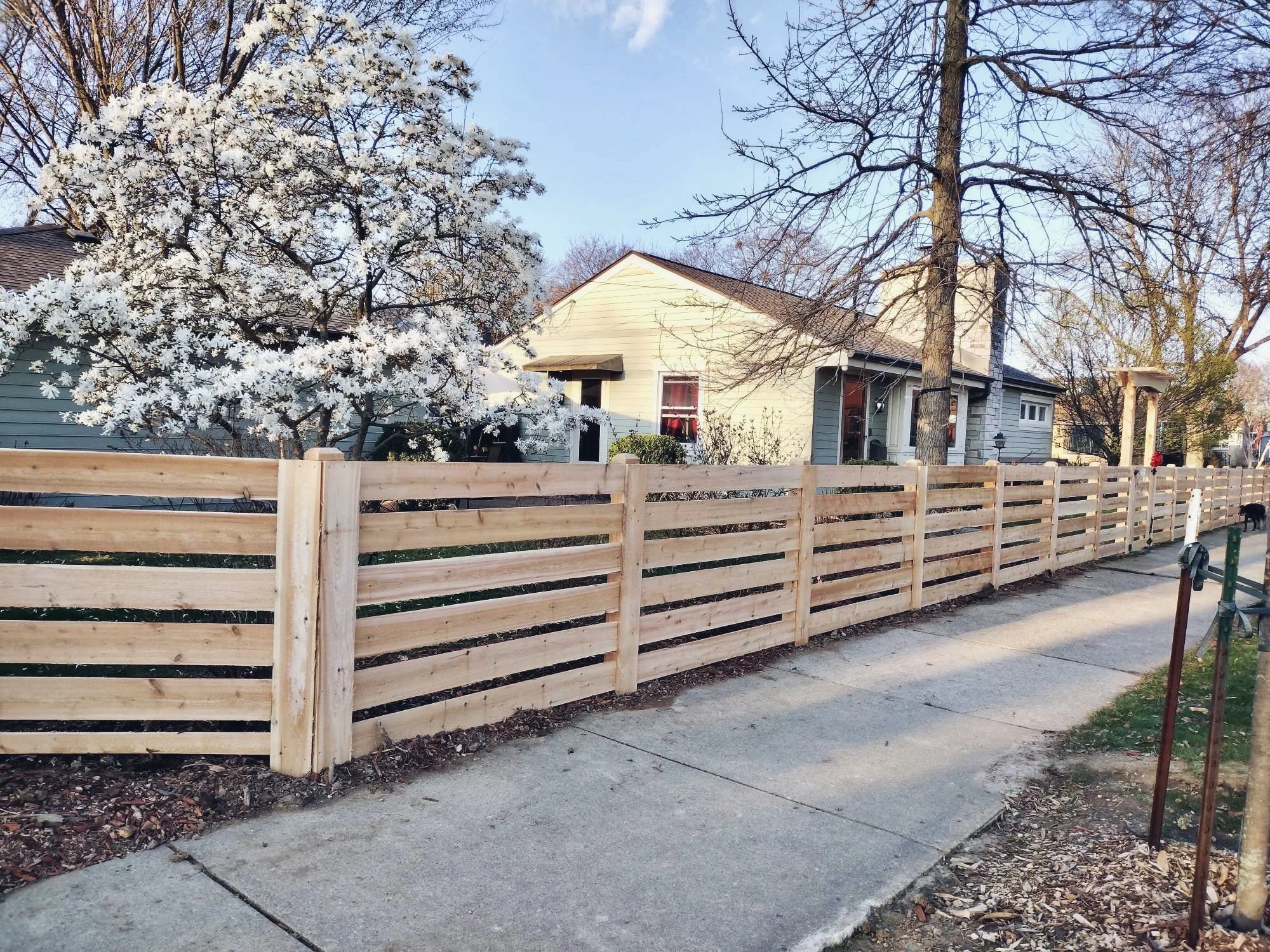
When investing in residential fencing for your Kenosha property, understanding different fence lifespans of popular materials helps you make an informed decision. With Lake Michigan's harsh winters and seasonal temperature swings, fence durability in our region differs significantly from national averages. In this guide, Yutka Fence will explain factors that affect fence lifespan specifically for southeastern Wisconsin properties.
What Affects Fence Lifespan in Wisconsin's Climate?
Wisconsin's climate presents unique challenges that directly impact fence lifespans across Kenosha County. Our region experiences everything from subzero winters with heavy snow accumulation to humid summers that can accelerate deterioration in certain materials.
The freeze-thaw cycles common along Lake Michigan's shoreline are particularly demanding on fence structures, causing expansion and contraction that can weaken connections over time. Salt spray from treated winter roads can accelerate corrosion in metal components as well.
Kenosha's position between Lake Michigan and the inland plains creates weather patterns that test fence durability in unique ways. The lake effect significantly influences fence lifespans, with lakefront properties experiencing more intense moisture exposure and stronger winds than inland locations.
Materials like vinyl and aluminum typically offer superior resistance to our region's weather extremes, while wood options require more protection. This makes weather resistance perhaps the most critical consideration when choosing fencing materials in our area.
How Does Each Fence Material Perform in Kenosha?
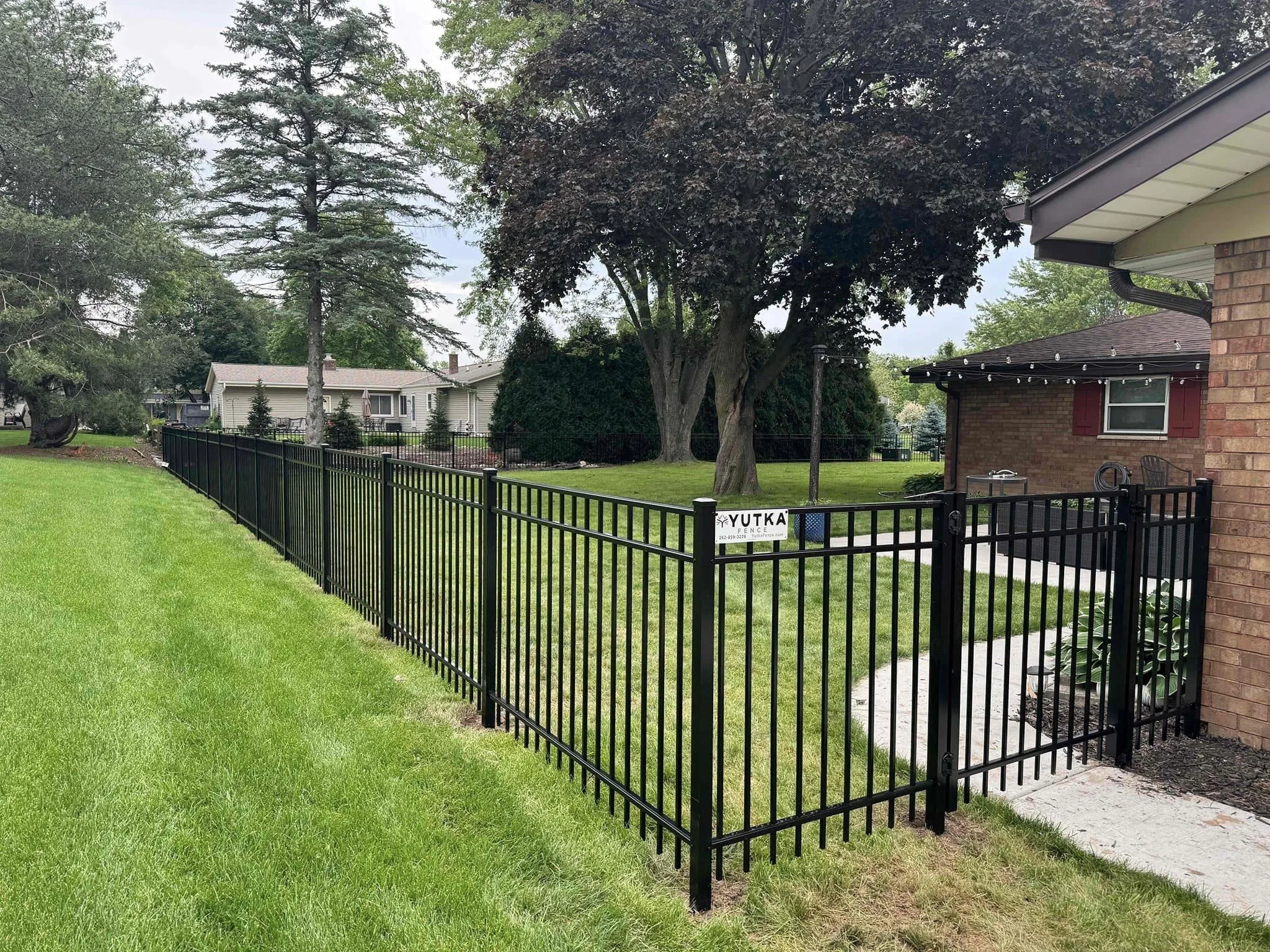
Different fence materials offer varying levels of performance in our southeastern Wisconsin environment. Your choice of material will be the most significant factor determining how long you can expect your fence to last.
- Cedar fencing: Cedar offers natural resistance to our humid conditions and insect activities, but requires regular maintenance to achieve its maximum potential lifespan in Wisconsin's climate.
- Pressure-treated pine: This economical option stands up reasonably well to our region's soil conditions and temperature fluctuations, though it requires vigilant upkeep to prevent warping and splitting.
- Vinyl fencing: This exceptional performer in our seasonal climate maintains its structural integrity through freeze-thaw cycles without rotting or warping.
- Aluminum fencing: Aluminum provides outstanding resistance to Kenosha's winters while requiring minimal maintenance, ideal for lakefront properties where salt spray is common.
How Do Wood, Vinyl, and Metal Compare in Longevity?
When comparing fence lifespan options, traditional wood and modern alternatives like vinyl and metal each offer distinct advantages in Kenosha's challenging climate.
Wood fences provide classic aesthetics but typically have the shortest fence lifespan. The moisture exposure along Lake Michigan accelerates deterioration, particularly in cedar and pine varieties.
Vinyl fencing offers exceptional resistance to our freeze-thaw cycles and temperature swings. The material won't rot or warp, making it popular for lakefront properties where weather exposure is most severe.
Metal options, particularly aluminum, provide outstanding resistance to winter road salt exposure and humidity while requiring minimal maintenance. Aluminum does not provide maximum privacy, though, but it can enhance your property's curb appeal.
What Other Factors Influence Fence Durability?
While material choice significantly impacts fence lifespan, several other factors play crucial roles in determining longevity for Kenosha installations.
These critical factors affect fence durability:
- Installation quality: Post-setting techniques must account for Kenosha's freeze-thaw soil movements and the depth requirements specific to our region's frost line. This can significantly extend fence longevity by providing stable foundations, even during seasonal ground shifts.
- Post construction: Concrete footings that extend below the frost line (which is deeper in our region than in southern states) protect against frost heave that can otherwise drastically shorten fence life, regardless of the material quality chosen.
- Hardware selection: Marine-grade or stainless-steel fasteners resist corrosion from road salt and lake effect moisture, which can quickly deteriorate standard hardware, particularly in neighborhoods with higher exposure to road salt.
- Drainage considerations: Strategic installation that accounts for Kenosha's natural drainage patterns prevents water pooling that accelerates deterioration. This is especially important in areas where water tables are naturally higher.
How Can Maintenance Extend Fence Lifespan?
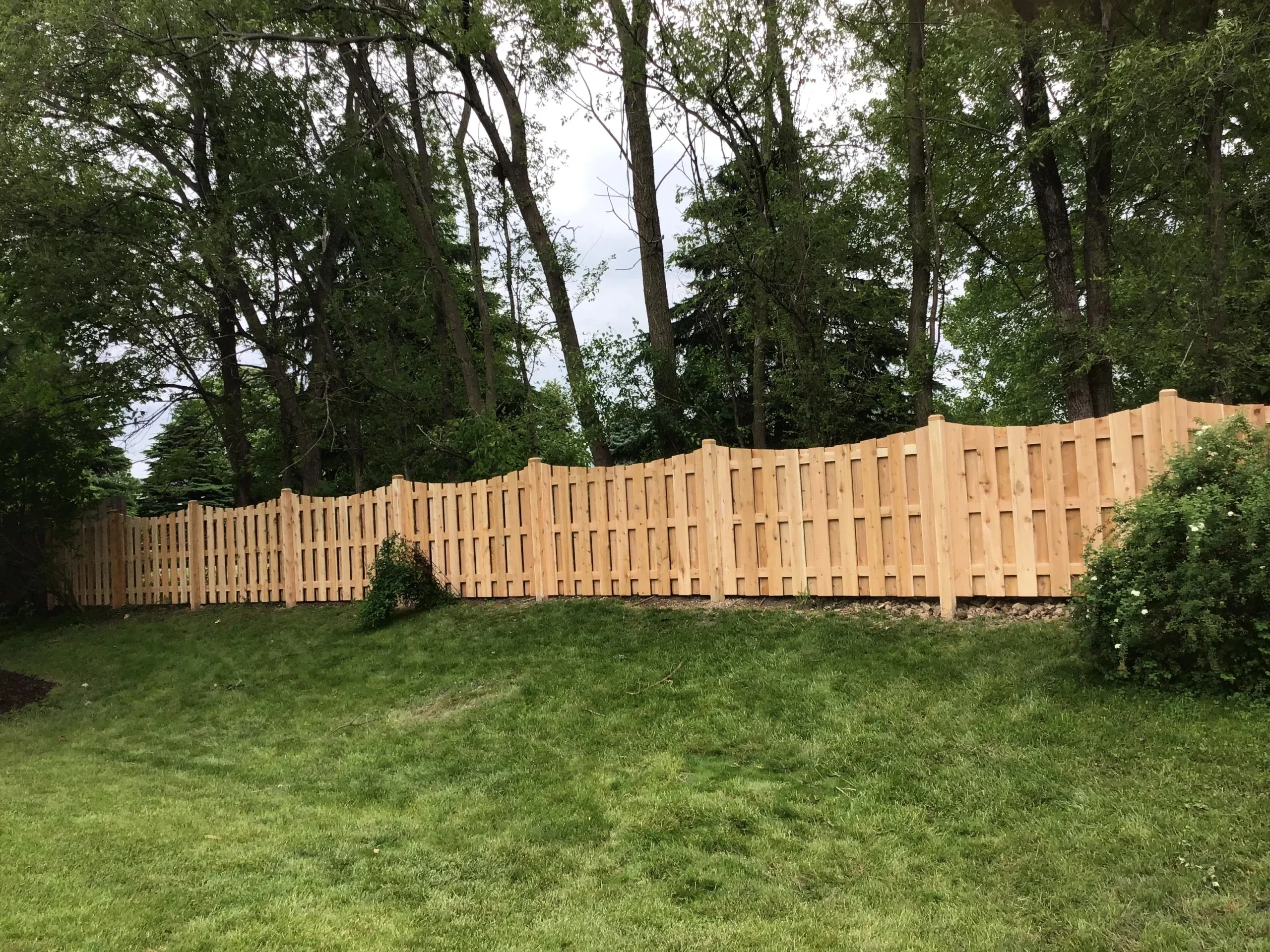
Regular maintenance dramatically extends fence lifespans regardless of material choice. Understanding the specific maintenance needs for different fence types helps you protect your investment against Kenosha's challenging conditions.
Even the most durable materials require some regular care to achieve their maximum potential lifespan:
- Wood fence care: Regular wood fence care is essential, including annual inspections for water damage, application of waterproof sealant every two to three years, prompt staining of any exposed areas, and immediate repairs of any boards showing signs of rot or warping.
- Vinyl maintenance: Vinyl needs periodic cleaning to remove algae growth, occasional checking of post stability after winter freeze-thaw cycles, and inspections of panels for impact damage from fallen branches or winter ice accumulation.
- Metal fence upkeep: Metal only needs yearly inspection of fasteners for signs of corrosion, cleaning of any rust spots before they spread, and checking for ground shifting that may stress fence sections.
When Should You Repair Versus Replace a Fence?
Even well-maintained fences eventually require repairs, but timely intervention can significantly extend system longevity. Winter damage presents the most common repair needs in Kenosha, with frost heave affecting posts, snow weight stressing horizontal components, and plow damage threatening sections near driveways. Addressing these issues promptly after winter prevents them from becoming major problems.
The soil composition in different Kenosha neighborhoods also affects repair frequencies. Areas like Carol Beach experience different foundation challenges than inland locations.
How Can Yutka Fence Help You Maximize Fence Lifespan?
Understanding fence lifespan factors helps you make informed decisions that maximize your investment in Kenosha's challenging climate. We've helped countless property owners select materials engineered to withstand our region's unique conditions for as long as possible. Learn more about extending your fence's useful life through proper fence maintenance tailored to southeastern Wisconsin.
When you're ready to upgrade your property, contact Yutka Fence at (262) 859-3226 to schedule your fencing consultation.